Real Cases. Real Impact.
Cancer During Pregnancy: A Multidisciplinary Decision
When a young pregnant patient was diagnosed with adenocarcinoma, the safest path forward required global expertise.
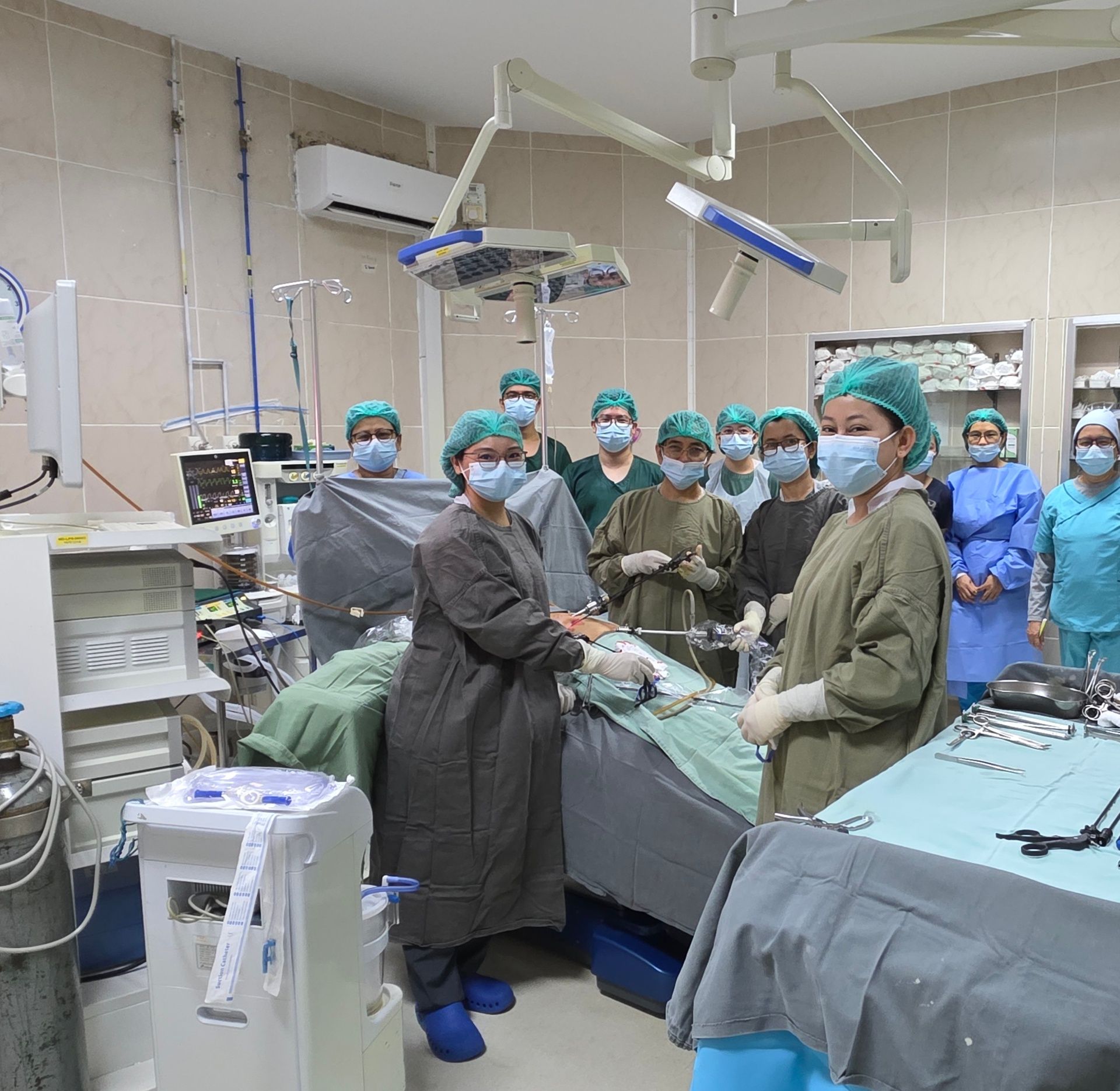
I encountered a challenging case involving a 30-year-old pregnant woman in her second trimester who presented with biliary colic. Initial ultrasound and MRI findings suggested gallstones with a large polyp, but there was a concerning possibility of malignancy based on the imaging characteristics. Given the complexity of managing a potentially malignant condition during pregnancy, I sought input of members of my HPBridge Group members during one of our monthly MDTs.
Through collaborative discussion and careful evaluation of the risks and benefits, we decided to proceed with surgical intervention. After thorough counseling, the patient underwent laparoscopic cholecystectomy. Histopathological analysis revealed a moderately differentiated adenocarcinoma (pT2N1). The patient chose to defer adjuvant chemotherapy until after delivery, and treatment with gemcitabine and cisplatin was initiated two weeks postpartum. At her one-year follow-up, she remains in excellent condition.
This experience reinforced the importance of shared decision-making and multidisciplinary collaboration when managing complex and high-risk cases. It also highlighted how access to broader professional perspectives can support confident and timely clinical decisions, even in uniquely challenging scenarios such as cancer during pregnancy.
Why is HPBridge important to you?
These meetings give me a chance to engage with the wider surgical community and to learn more about regional disease patterns and updated management through multidisciplinary discussions. I have the opportunity to understand the perspectives of senior surgeons, which gives me a deeper view of patient management and decision-making in clinical care.
How has HPBridge affected your clinical and/or surgical practice?
As I mentioned above, these meetings have influenced me in many positive ways. They help me refine my diagnostic skills and improve my management plans for patient care, while also highlighting the importance of a multidisciplinary approach. They also emphasize the role of research in this field. Overall, these meetings have greatly improved my confidence and competency in both patient care and clinical practice.
More Stories from the Network
Read about other cases supported by the HPBridge multidisciplinary team
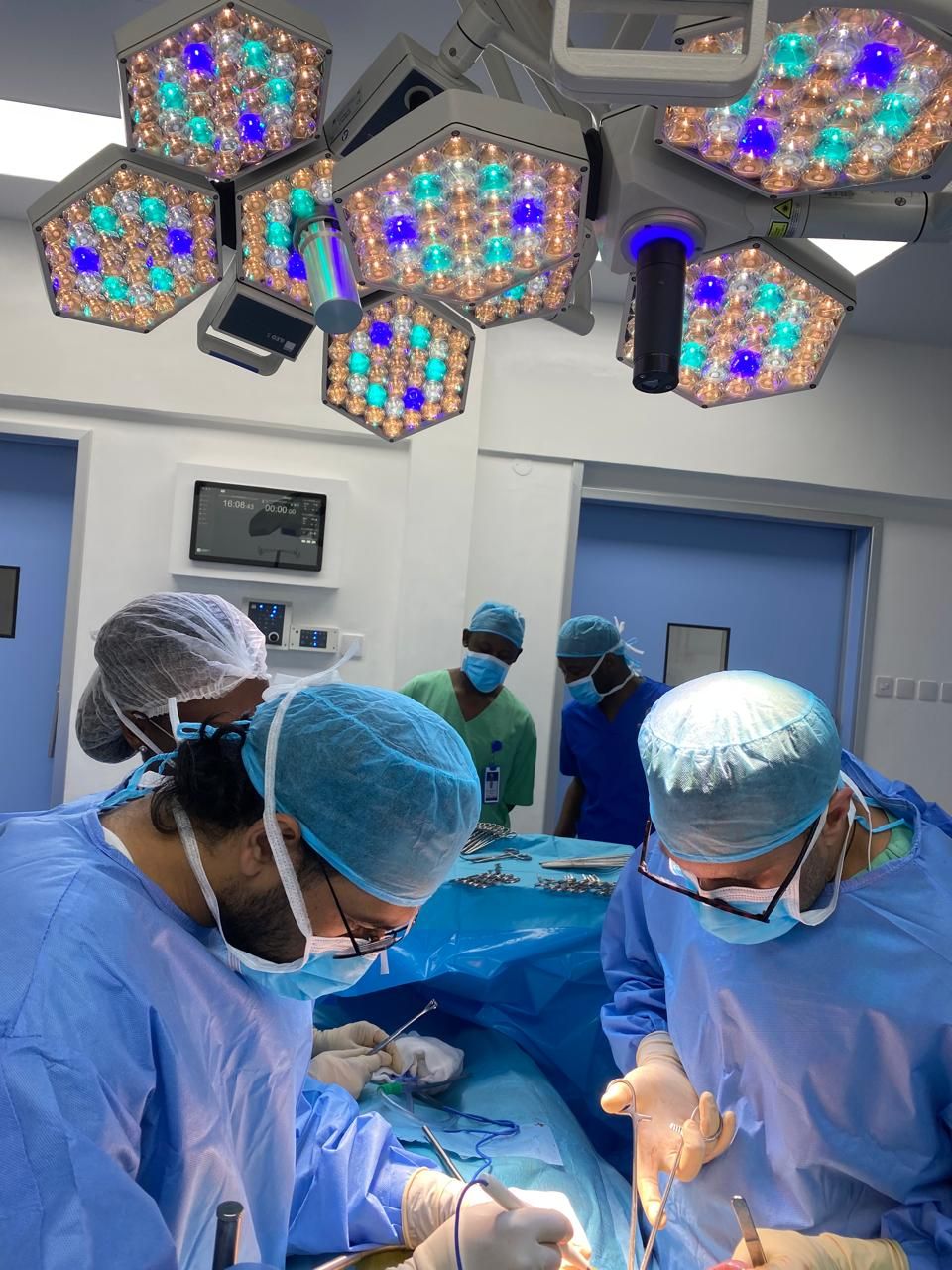 Nairobi, Kenya
Complex Portal Hypertension in Rural Kenya
Dr. Karan Gandhi led a complex portal hypertension surgery — backed by an international HPBridge team.
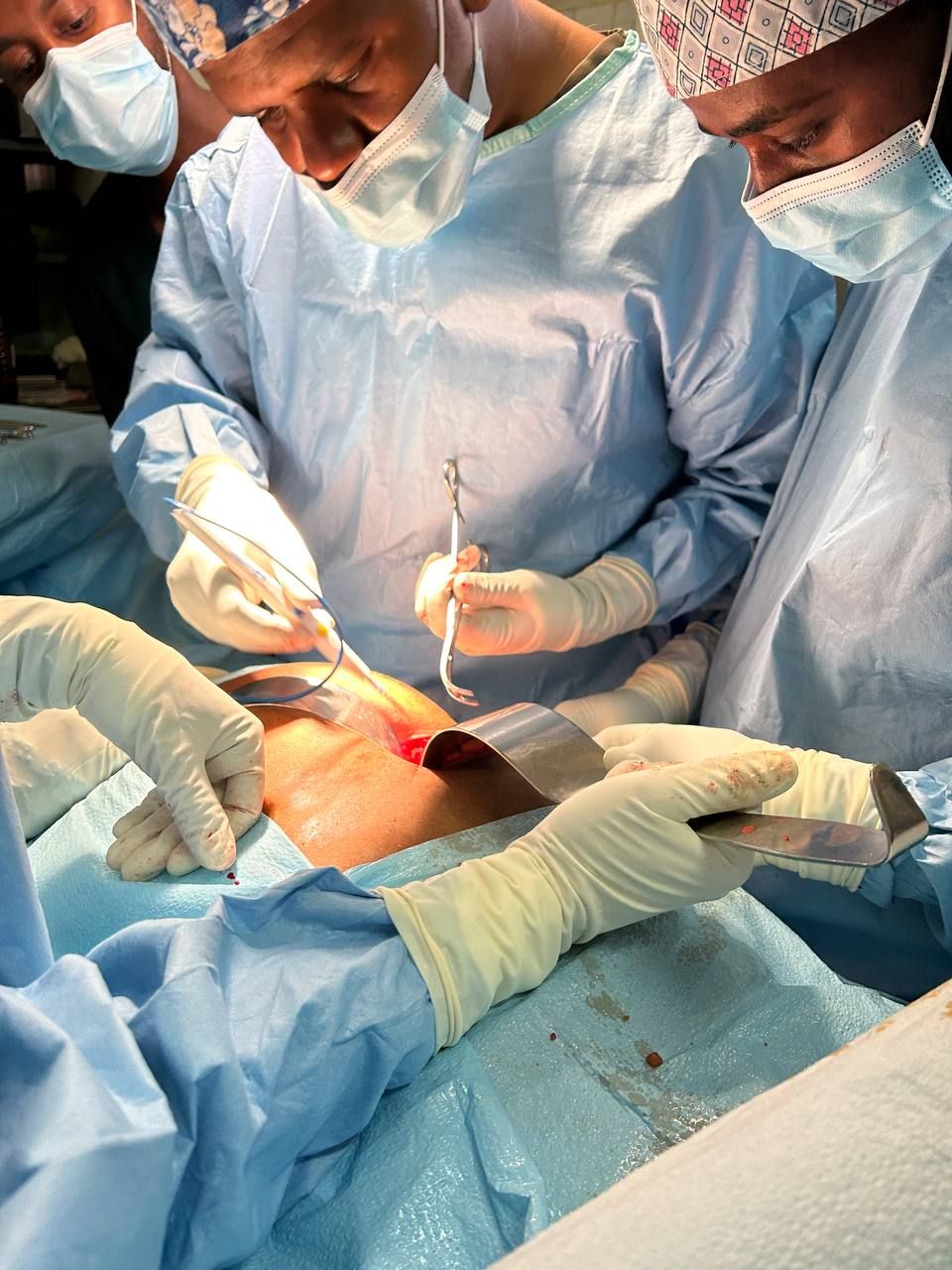 Harar, Ethiopia
Avoiding Unnecessary Surgery
Dr. Yoseph Solomon brought a complex liver cyst case to HPBridge — and the team advised monitoring instead of surgery.